
To create a content calendar that keeps your blog consistently updated, start by defining your blogging goals. Choose tools like Google Calendar or Trello for organization. Brainstorm content ideas based on your audience's interests, then categorize and prioritize these topics. Set a regular posting schedule to build trust with your readers. Remember to incorporate flexibility for last-minute changes and plan for seasonal content to stay relevant. Finally, review your calendar regularly to adjust based on performance metrics. By following these steps, you can keep your blog fresh and engaging, and there's more to explore on optimizing your strategy.
Define Your Blogging Goals
Before diving into your content calendar, it's crucial to define your blogging goals. Think about what you want to achieve with your blog. Are you aiming to increase traffic, build a community, or establish authority in your niche?
Setting specific, measurable objectives will help guide your content creation. For instance, if you want to grow your audience, consider targeting a specific number of followers or monthly visitors.
Reflect on your target audience as well; understanding their needs will inform the type of content you create. Once you've established these goals, you'll have a clearer direction for your content calendar, making it easier to plan posts that align with your overall vision.
Keep your goals visible, and revisit them regularly to stay on track.
Choose the Right Tools
With your blogging goals clearly defined, the next step is to choose the right tools to help you stay organized and efficient.
Consider using a digital calendar like Google Calendar or Trello to map out your content schedule visually. These platforms allow you to set deadlines, reminders, and even collaborate with others if needed.
For writing and editing, tools like Grammarly or Hemingway can enhance your content quality.
Don't forget about project management software like Asana or Notion to keep track of tasks and deadlines.
Lastly, consider using a spreadsheet to maintain an overview of your topics, publishing dates, and performance metrics.
Choosing the right tools can streamline your process and keep your blog consistently updated.
Brainstorm Content Ideas

As you dive into brainstorming content ideas, think about your audience's interests and pain points to guide your creativity.
Consider what questions they might've or challenges they face in your niche. Use tools like Google Trends, BuzzSumo, or social media platforms to discover trending topics and gaps in the market.
Don't hesitate to tap into your personal experiences or unique insights; they can spark engaging ideas. Engage with your audience through polls or comments to get direct feedback.
Set aside time for free writing—jot down everything that comes to mind without judgment. This method often uncovers hidden gems.
Organize Your Topics
When it comes to organizing your topics, a clear structure can make all the difference. Start by categorizing your ideas into broad themes or niches that resonate with your audience. This way, you can easily identify which topics align with your blog's focus.
Next, create subtopics under each category to dive deeper into specific aspects. Consider using a spreadsheet or digital tool to lay everything out visually; it helps you see connections and gaps in your content.
Don't forget to prioritize your topics based on seasonal relevance or trending issues. Lastly, keep your audience's needs and interests in mind to ensure your organized topics remain engaging and valuable.
A well-structured approach will keep your blog fresh and appealing!
Set a Posting Schedule

Establishing a posting schedule is crucial for maintaining consistency and keeping your audience engaged. Decide how often you want to post—whether it's weekly, bi-weekly, or monthly—based on your capacity and audience preferences.
Once you've determined your frequency, block out specific days and times for each post in your content calendar. This not only helps you stay organized but also sets expectations for your readers.
Consistency builds trust, and your audience will know when to return for new content. Don't forget to consider seasonal trends or relevant events that could influence your topics.
Create a Template
Now that you've set a posting schedule, the next step is to create a template for your content calendar. Start by deciding what key elements you want to include. Common components are the post title, publication date, target keywords, and a brief description of the content.
You might also want space for notes on social media promotion or relevant links. Using a spreadsheet or a digital tool can help you organize this information clearly.
Make sure your template allows for easy updates, so you can adapt it as needed. This structured approach will keep you focused and ensure you cover all essential details for each post, making your content planning more efficient and effective.
Incorporate Flexibility
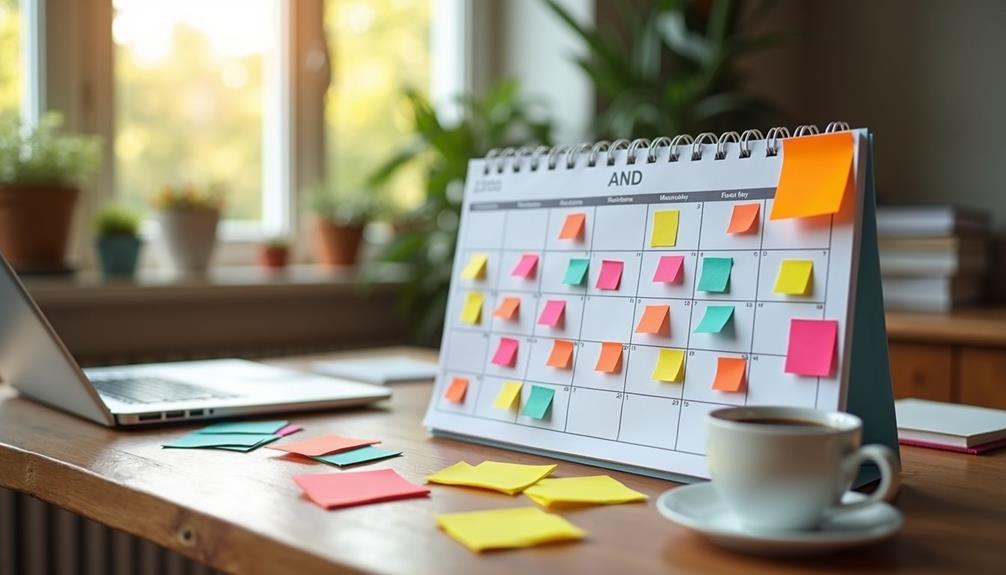
Incorporating flexibility into your content calendar is essential for adapting to unexpected changes and new opportunities. Life happens, and sometimes your planned topics may no longer resonate with your audience or industry trends.
Build in buffer weeks to allow for last-minute ideas or adjustments. This way, you won't feel pressured to stick to a rigid schedule.
Consider using placeholders for topics you can fill in later, keeping your calendar dynamic.
Also, regularly review your calendar to identify any content that may need updating or replacing. This adaptability not only keeps your blog fresh but also allows you to respond effectively to current events or trending topics.
Stay open to change, and your content will thrive!
Plan for Seasonal Content
Seasonal content can be a game changer for your blog, driving engagement and attracting new readers.
To make the most of this opportunity, start by identifying key dates and events relevant to your niche, like holidays, seasons, or industry trends. Create a list of topics that resonate with your audience during these times.
For instance, if you run a food blog, think about holiday recipes or summer grilling tips. Once you have your ideas, slot them into your content calendar, ensuring you give yourself enough lead time to create high-quality posts.
Don't forget to promote this seasonal content across your social media channels to maximize visibility. By planning ahead, you'll keep your blog fresh and engaging throughout the year.
Review and Adjust Regularly

Flexibility is key when it comes to maintaining an effective content calendar. You should regularly review your calendar to ensure it aligns with your blog's goals and audience needs.
Set aside time each month to assess what's working and what isn't. If you notice certain topics aren't resonating, don't hesitate to adjust your plans.
Consider seasonal trends, industry changes, or even feedback from your audience. This helps you stay relevant and engaged.
Additionally, if you find a surge of interest in a particular subject, shift your focus to capitalize on that momentum.
Track Performance Metrics
To truly understand the effectiveness of your content calendar, you need to track performance metrics. Start by identifying key metrics that matter to your blog, such as page views, unique visitors, and bounce rates.
Use analytics tools like Google Analytics to gather this data regularly. Monitor engagement metrics too, like social shares and comments, to gauge how well your audience connects with your content.
Set specific goals for these metrics to measure your progress over time. For instance, aim for a certain percentage increase in page views each month.
Conclusion
Creating a content calendar is a game changer for keeping your blog fresh and engaging. By defining your goals, brainstorming ideas, and setting a flexible schedule, you can consistently deliver valuable content to your audience. Don't forget to review your performance and adjust your strategy as needed. With a bit of planning and creativity, you'll stay on track and ensure your blog thrives. So, get started today and watch your blog grow!